





Reimagining
Learning Spaces


“I saw myself grow to be open to more ideas and use my creativity more freely.”


Student of Secondary 4, Methodist Girls’ School

“After completing the programme, I am able to convey my message to my intended audience effectively through a variety of methods.”
Student of Ngee Ann Secondary School
“After learning in greater detail the five key stages in design thinking, I am able to put myself into the shoes of others to empathise with their needs and concerns.”
Educator of Ngee Ann Secondary School


Learning Outcomes
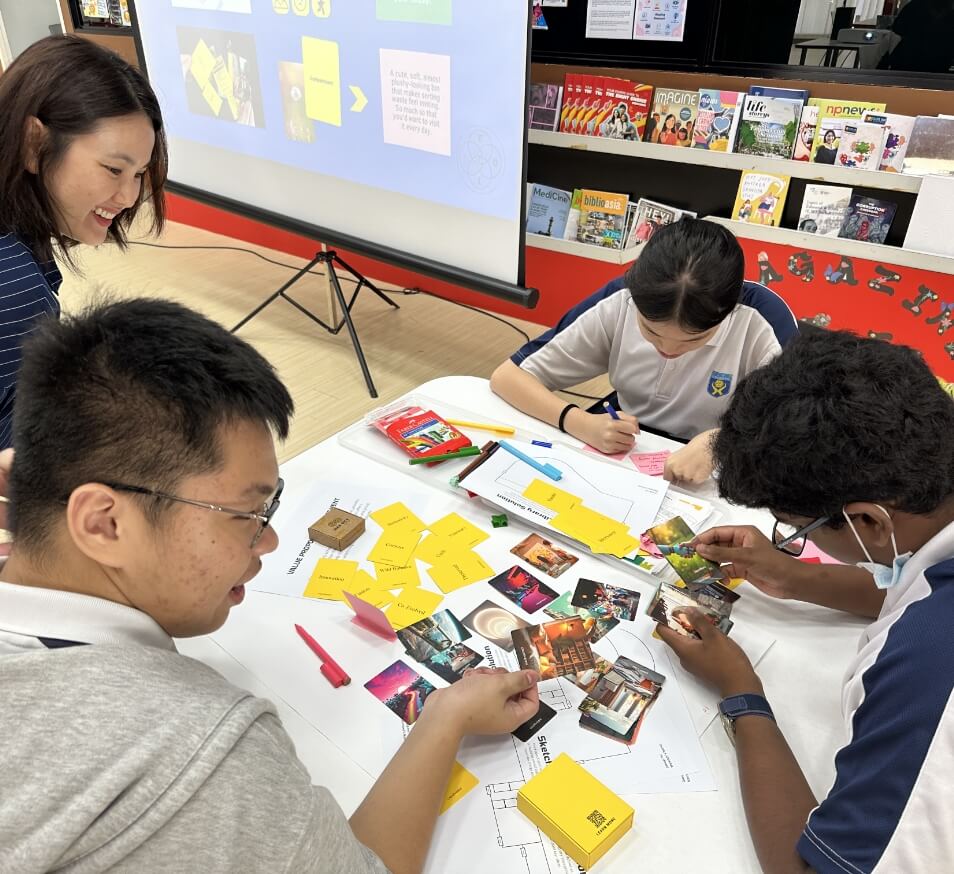
Our Reimagining Learning programme will let students learn to understand how people actually use learning spaces, design meaningful improvements, and see how their ideas can come to life.

Step Out
of Comfort
Zones
Learners take on unfamiliar roles, activities and tools, building the confidence to experiment with new ways of learning and working.

Transformative
Learning
Learning moves beyond the usual classroom routine as students investigate real spaces and see how design can change everyday experiences.

Foster
Empathy
Learners listen deeply and work with classmates, teachers and other stakeholders to understand real needs and viewpoints, recognising that meaningful learning environments are shaped by many voices.

Embrace Design Thinking Principles
Students follow a clear process from empathising and defining, to ideating, prototyping and testing, so they can tackle any complex learning challenge with structure and creativity.

Ignite
Curiosity
Learners are encouraged to ask questions, challenge “how we’ve always done things”, and explore “what if” possibilities around learning.

Develop
New Skills
Learners turn ideas into tangible prototypes and proposals, gaining practical skills to improve their classrooms, libraries and wider school environment.
Reimagining Learning Spaces in Numbers

Of students felt more confident solving difficult problems after the Methodist Girls’ School programme, up from 65% before the workshops.
Achieved good design thinking understanding after the workshop, rising from 47% pre-programme.
Of participants find team collaboration easy by the end of their workshop, a great increase from 57.14%.
School Outcomes
Beyond student learning, the programme produces an evidence-informed record of how learners experience your spaces and routines. These deliverables provide credible evidence and practical recommendations that can inform your school improvement planning, space redesign, and future programme decisions.




Growing Future-Ready Learners with EDIT Design Thinking®
With EDIT Design Thinking®, learners study how layouts, furniture, tools and digital resources influence focus, collaboration and well-being. Students not only propose engaging, inclusive and future-ready learning environments, but also gain a transferable toolkit for improving any space or experience they encounter.

Empathise
Understand the experience of the learners by using method-like observation, interaction, and immersing your students in the experiences.
Define
Analyse the observations and synthesise them in order to define the core problems and create a clear value proposition statement.
Ideate
Process your learners’ findings and generate a large quantity of possible solutions by stepping beyond the obvious and exploring diverse ideas by prototyping.
Test
Use observations and feedback to refine the prototypes, learn more about the use, and refine your learners’ original point of view.
Programme Package Outline
By embracing design thinking, learners study how space and tools influence learning and well-being, and have the opportunity to propose practical improvements that make school environments more engaging, inclusive, and adaptable to evolving pedagogical needs.

Learning journey to inspiring learning spaces
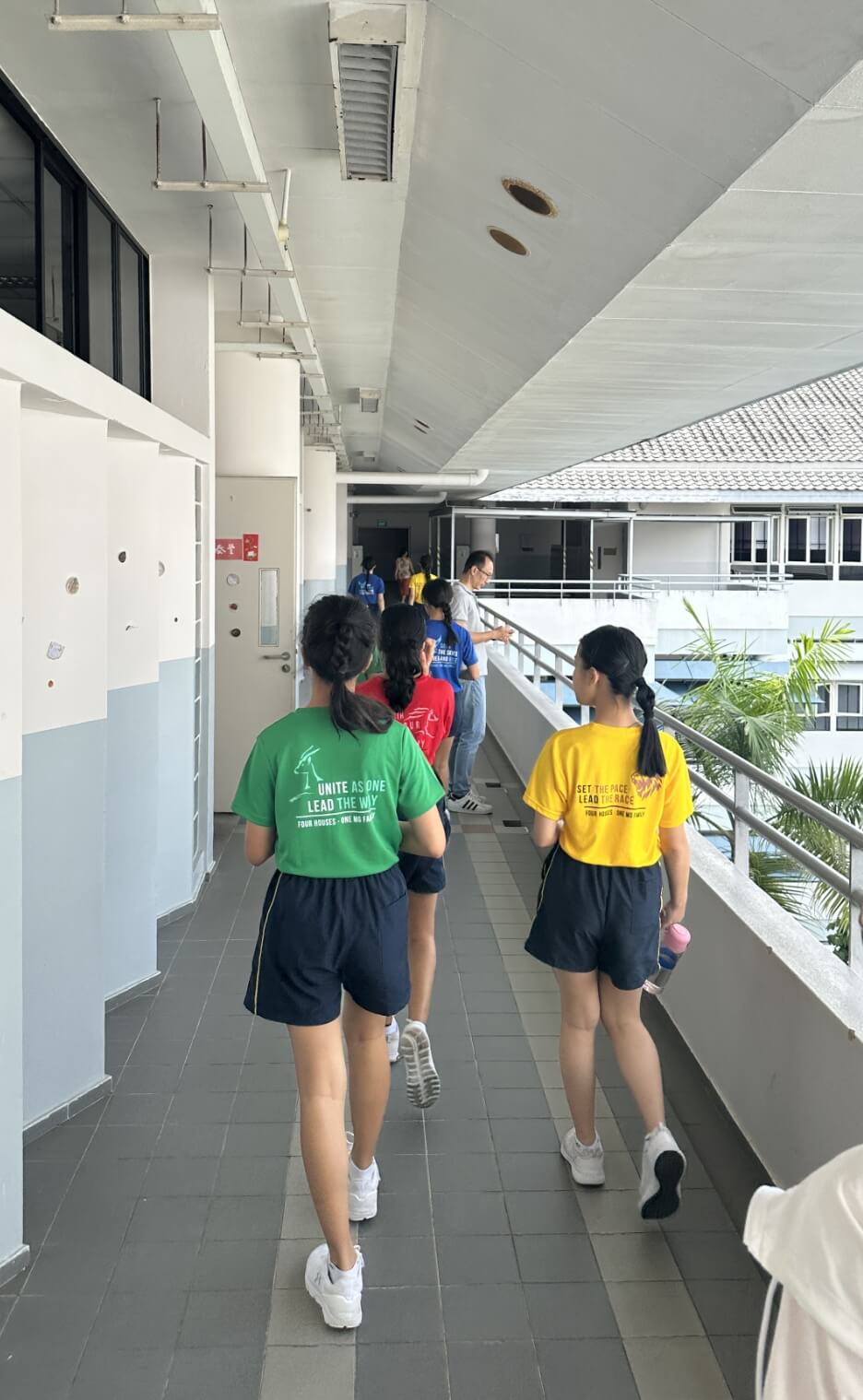
Students begin with a guided visit to an exemplary learning environment such as a public library, or community learning hub. This exposure helps students see how thoughtful spatial design can cultivate curiosity, collaboration, accessibility and well-being, and provides concrete references they can translate into their own school context.

Introduction to design thinking
Students are introduced to the fundamentals of humanity-centred innovation through C-Academy’s structured EDIT Design Thinking® methodology, where they explore the key stages of empathise, define, ideate, prototype and test, analysing everyday learning-space experiences and generating early “How might we…” ideas to shape the direction of their reimagining projects.
Understand their own learning environment
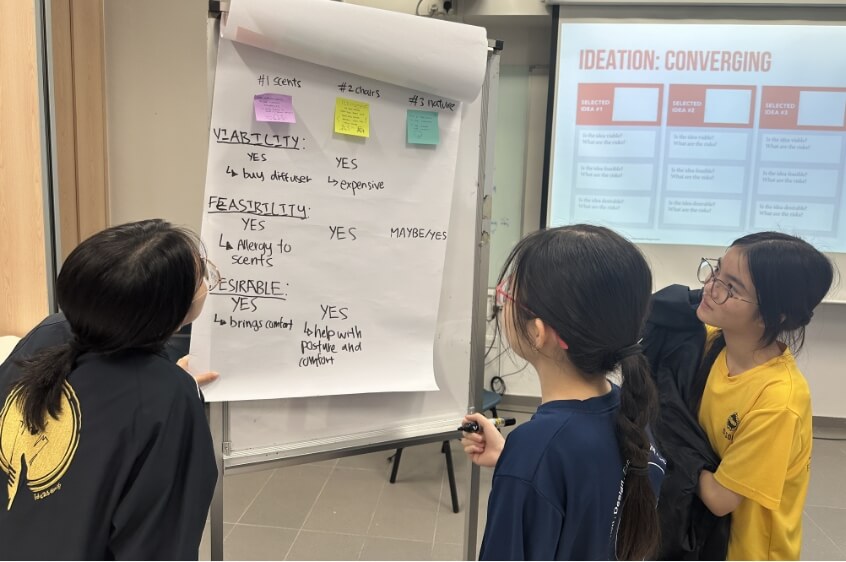
Back in school, students map users of a chosen space (classrooms, library, specialist rooms), run simple interviews or observations, and turn insights into empathy maps and “How might we…” questions around focus, collaboration, comfort and accessibility.

Design better learning experiences
Using divergent and convergent ideation tools, they generate many ideas, cluster and evaluate them based on desirability, feasibility and impact, then select a few strong concepts to develop further as team projects.
Prototype and test their ideas
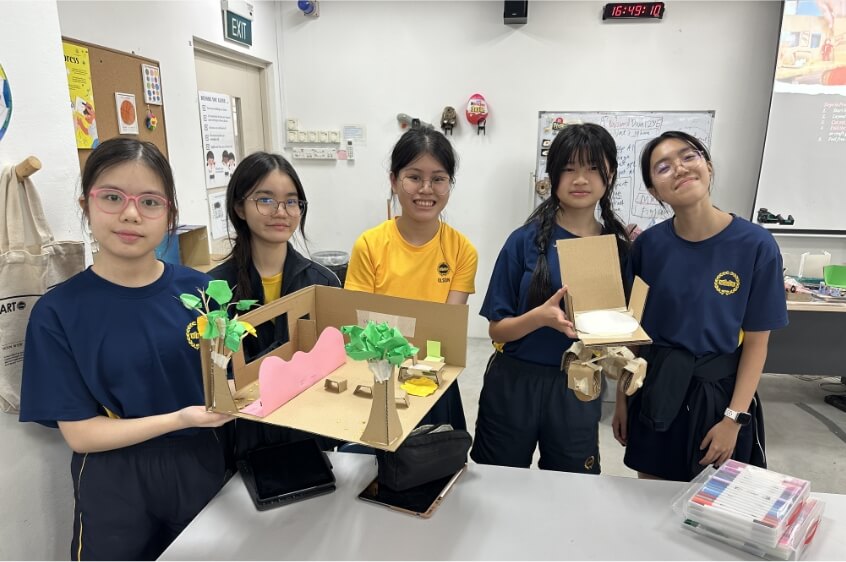
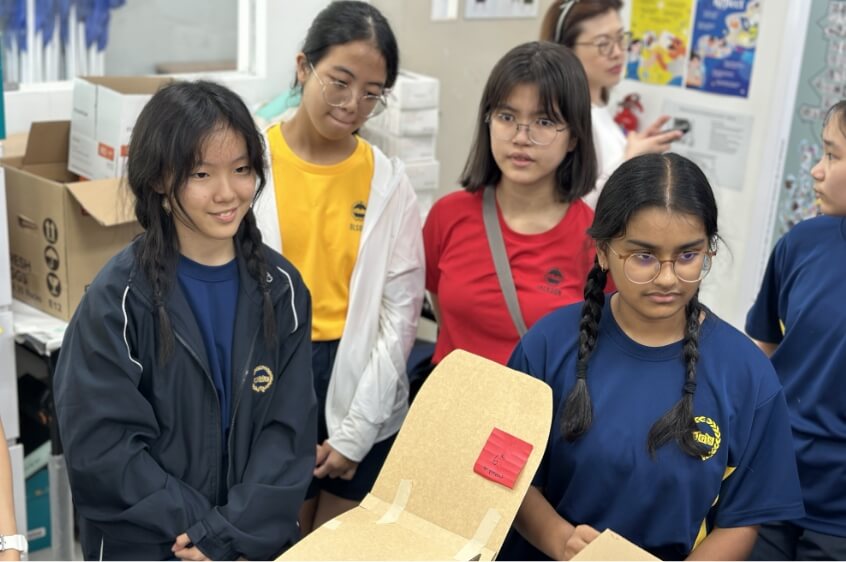
Teams transform concepts into quick prototypes – from model layouts and furniture mock-ups to service blueprints and AR-enhanced experiences. They test these with peers and teachers, gathering feedback and refining their ideas through iteration.
Present to the school community
Students share their final concepts and design journey with school leaders, teachers and classmates, explaining the issues they tackled, what they learnt from users, and how their ideas could be implemented or piloted in real spaces.
 All programme formats can be customised to your school’s context, student level and timetable.
 Featured Past Programmes
Reimagining the Classroom at Methodist Girls’ School
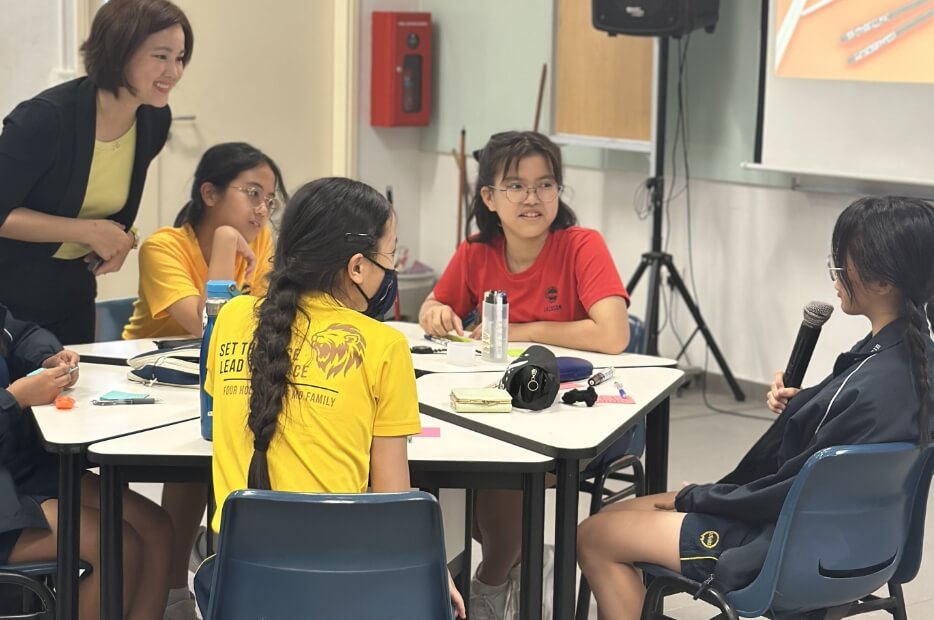
In partnership with Methodist Girls’ School, students from Sec 1–4 used EDIT Design Thinking® to reimagine their classrooms as more welcoming, flexible and student-centred spaces. Over four workshops, they empathised with teachers and peers, ideated and prototyped new layouts, furniture and interaction points.
The percentage of students who believed they could solve difficult problems without clear answers rose from about 65% to 84%.
- >56 design thinking ideas
- 41 physical prototypes ideas
Reimagining the Library at Ngee Ann Secondary School
At Ngee Ann Secondary School, students and teachers applied design thinking to transform their library into an inclusive, community-centred hub. Through a learning journey to Punggol Regional Library, empathy work, ideation and prototyping, they developed concepts such as focused study pods, flexible collaboration zones and well-being corners.
Confidence in solving difficult problems increased from 33% to 73% after the six-session journey.
- >30 design thinking ideas
- 41 physical prototypes ideas

What Makes Us Different
Led by practising consultants and built on proven frameworks, our programmes are co-designed with educators and enriched by real-world partners, ensuring strong alignment with school priorities and competencies of today and tomorrow.
Industry-Proven Experts & Methodology
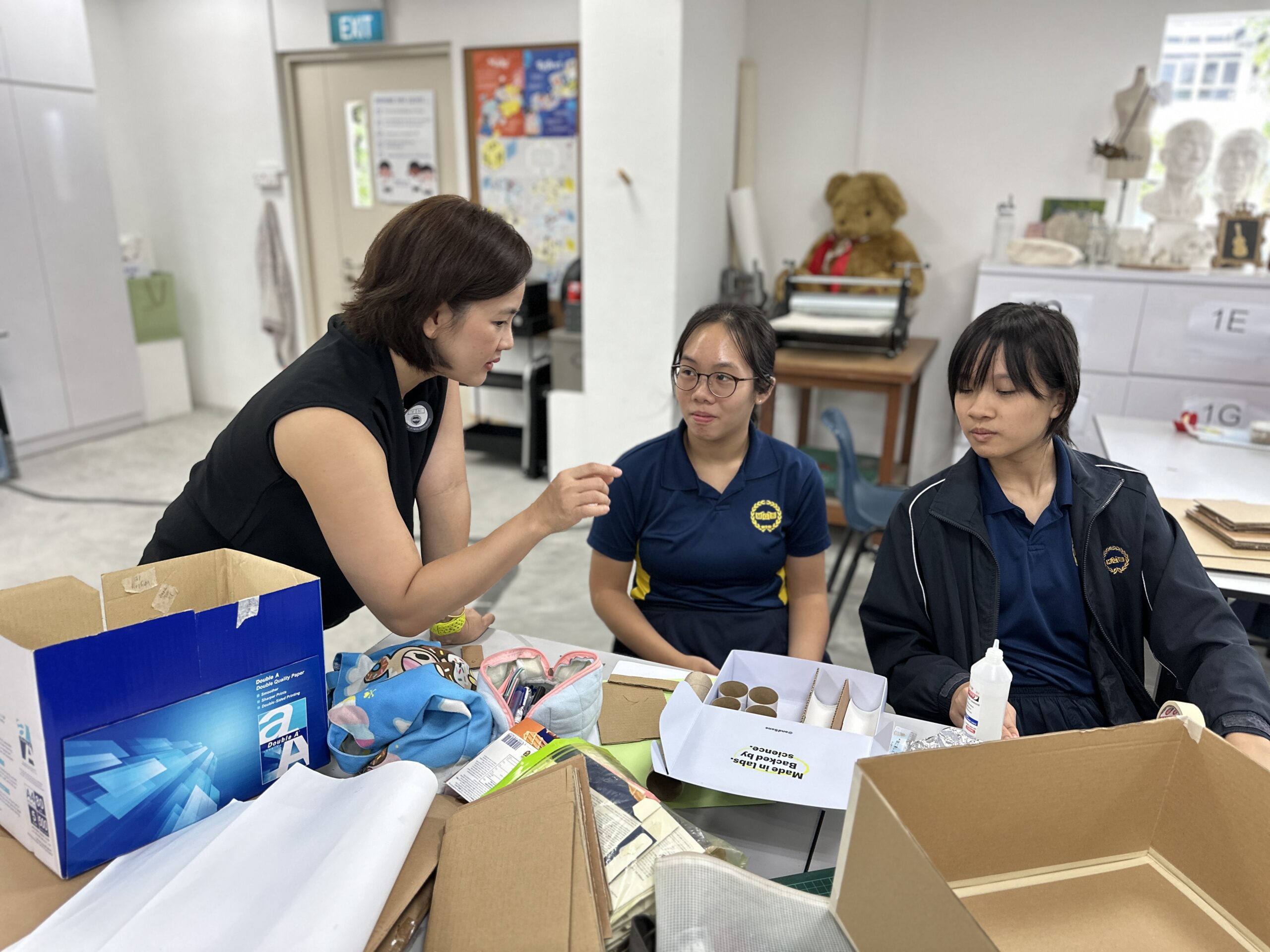
C-Academy is led by practising brand and design consultants who bring real industry rigour into education. Our programmes are grounded in Creativeans’ EDIT Design Thinking® and BrandBuilder® frameworks, refined through real projects since 2012 to help organisations solve complex challenges with clarity and creativity.

Co-Designed
with Educators
For Real Impact
We plan and facilitate workshops alongside teachers, aligning with school priorities, character and citizenship education, and 21st-century competencies. Every session is grounded in your context and leaves behind tools you can continue using after the programme ends.

Strong Network
of Partners
We collaborate with a strong network of partners from industry foundations to cultural and community organisations to enrich participants’ learning and connect design thinking directly to real-world applications. This ensures students engage with authentic perspectives and understand how design thinking creates value in real contexts.
Ready to Reimagine Learning with Your Students?
Share your school goals with us, and we will help you tailor a Reimagining Learning pathway that fits your institutions.