





Culture

“I learned that no idea is a ‘bad’ idea. The process helped me be more open-minded and brave enough to share my thoughts.”


Pei Hwa Secondary School
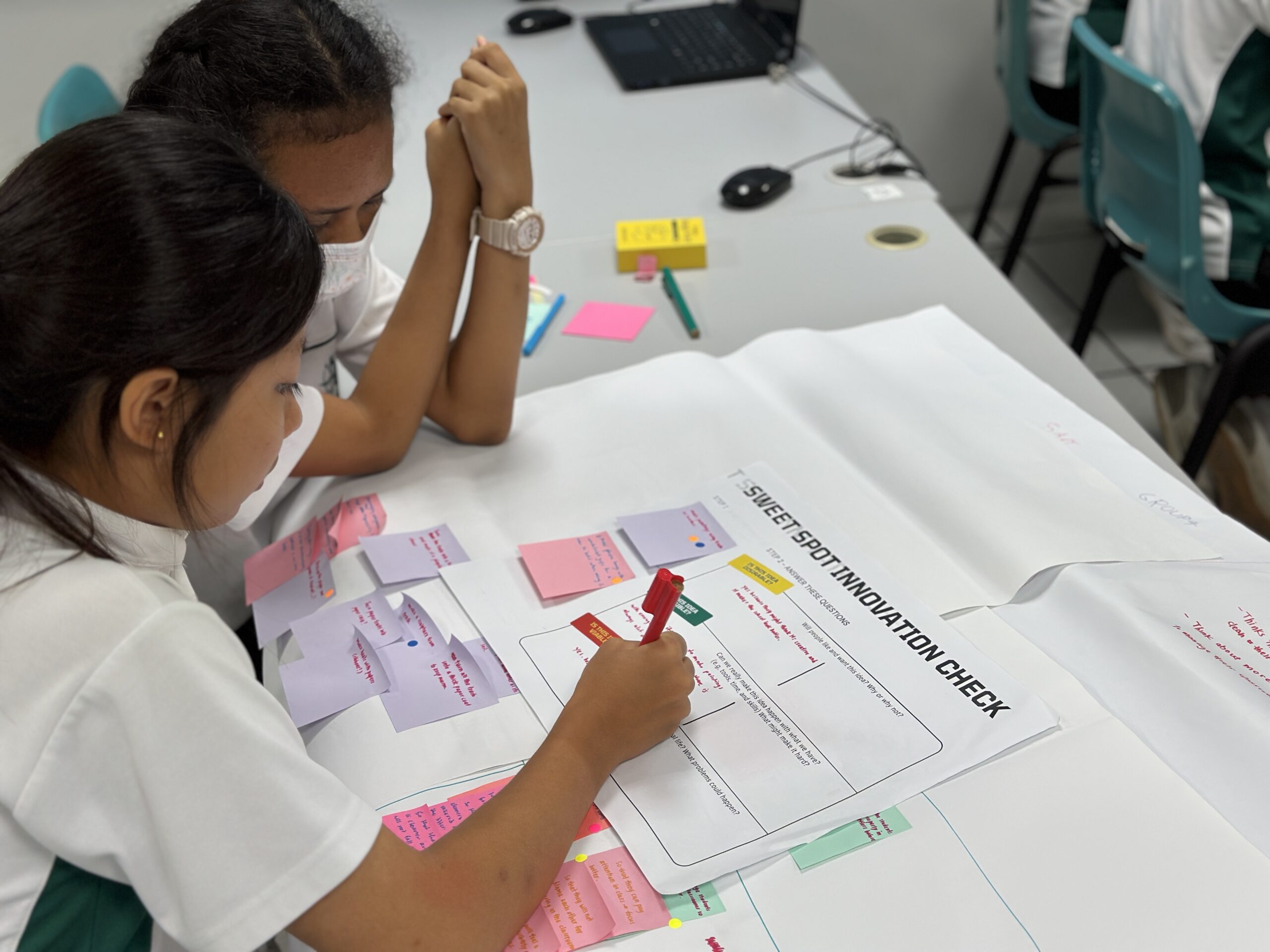
“I feel like it actually really taught me a lot. It made me empathise with people around me. When creating a solution, we need to understand the problem first.”
Sembawang Secondary School
“I’m much more confident now because I’ve experienced solving a problem in a different, more in-depth manner.”


Learning Outcomes
By the end of the Culture edition, learners will:

Step Out
of Comfort
Zones
Explore unfamiliar cultural neighbourhoods, practices and stories, building confidence to ask questions, engage respectfully and try new ways of expressing culture.
Transformative
Learning
Move beyond textbooks to experience museums, heritage districts and heartland spaces first-hand, seeing how history, architecture, food and everyday life embody Singapore’s evolving identity.

Foster
Empathy
Listen to classmates, elders, community partners and cultural practitioners to understand different experiences of language, tradition and belonging, and recognise that there is no single story of Singapore.

Embrace Design Thinking Principles
Apply a clear design thinking process – from empathise and define to ideate, prototype and test – to create cultural experiences that are respectful, inclusive and engaging for different audiences.
Ignite Curiosity
Cultivate a habit of asking “What is the story here?” and “Whose voice is missing?”, sparking curiosity about local histories, intangible heritage and everyday cultural practices.

Develop
New Skills
Turn ideas into a tangible prototype, and students will gain practical skills to celebrate culture in their school, neighbourhood and wider community.
Culture in Numbers

Of students reported stronger empathy after the programme, up from ~44%
Felt confident experimenting with new ideas, rising from ~69%
Found teamwork easier and more effective, up from ~58%
Growing Future-Ready Learners with EDIT Design Thinking®
Through our EDIT Design Thinking® methodology, your learners will explore stories, places and practices that reflect Singapore’s multicultural identity. By applying our structured approach, they uncover opportunities to make heritage more visible and relevant to their peers.

Empathise
Understand the experience of the learners by using method-like observation, interaction, and immersing your students in the experiences.
Define
Analyse the observations and synthesise them in order to define the core problems and create a clear value proposition statement.
Ideate
Process your learners’ findings and generate a large quantity of possible solutions by stepping beyond the obvious and exploring diverse ideas by prototyping.
Test
Use observations and feedback to refine the prototypes, learn more about the use, and refine your learners’ original point of view.
Programme Package Outline
Across six sessions, students will dive into a deeper journey where students use design thinking to explore culture and heritage, design experiences, prototype them and share with an authentic audience.
Experience Singapore’s cultural places
Go on a learning journey to a culturally rich environment such as an arts centre, museum, heritage district or community space to observe how architecture, food, language and rituals reflect Singapore’s multicultural identity. They speak with hosts and note what makes a place feel distinctive and welcoming.

Introduction to Design Thinking
Students are introduced to EDIT Design Thinking® through a structured, hands-on workshop. They learn the stages from empathise to test, map users of cultural experiences and frame “How might we…” questions around themes like identity, inclusion and storytelling.
Understand their own cultural landscape
Students will map the cultural stories within Singapore. They run simple interviews or observations and turn insights into empathy maps and focused challenge statements.

Design better cultural experiences
Use divergent and convergent ideation tools to generate many ideas, then cluster, evaluate and select a few strong concepts to develop as team projects.
Prototype and test their ideas
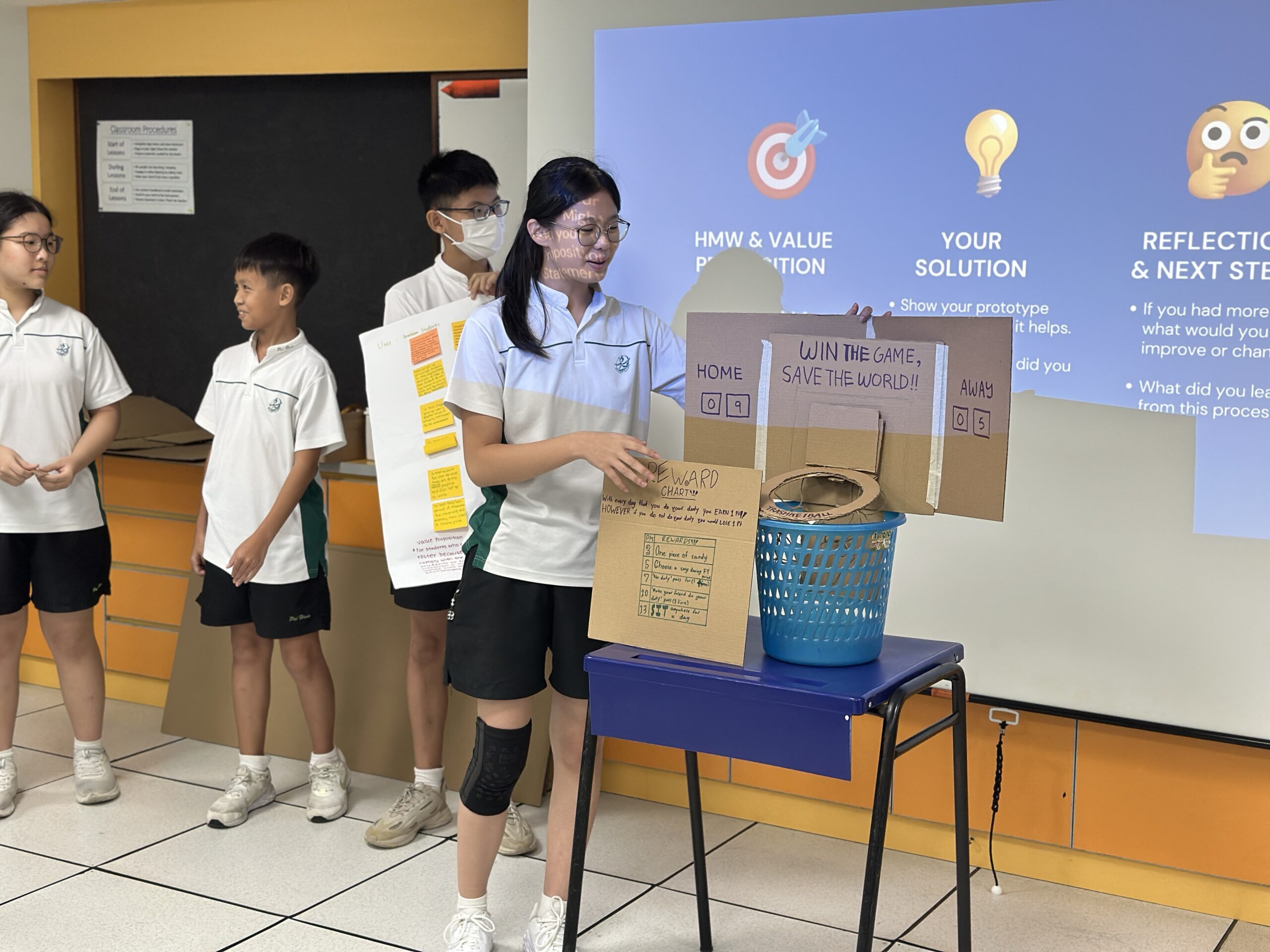
Transform concepts into quick prototypes, test them with peers, teachers, and, where possible, community partners, gather feedback, and refine their ideas.
Present to the school or community
Share their final concepts and design journey with school leaders, teachers, classmates, and invited guests, as they explain the cultural themes they explored, what they learnt from users and how their ideas could be implemented or piloted as part of ongoing heritage.
 All programme formats can be customised to your school’s context, student level and timetable.
 Featured Past Programmes
See how schools and partners across Singapore have used our Culture programmes to turn real challenges into student-led solutions.
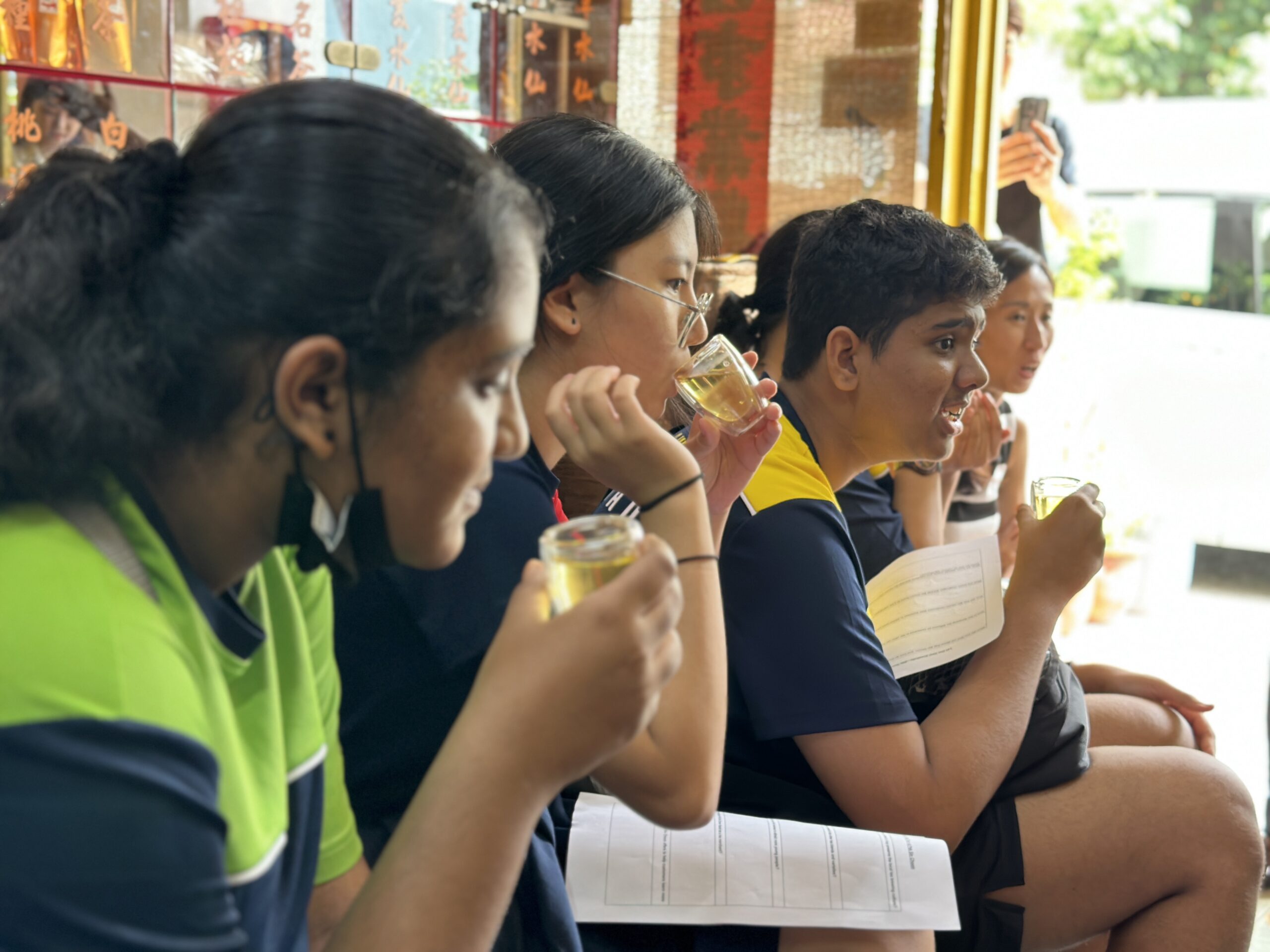
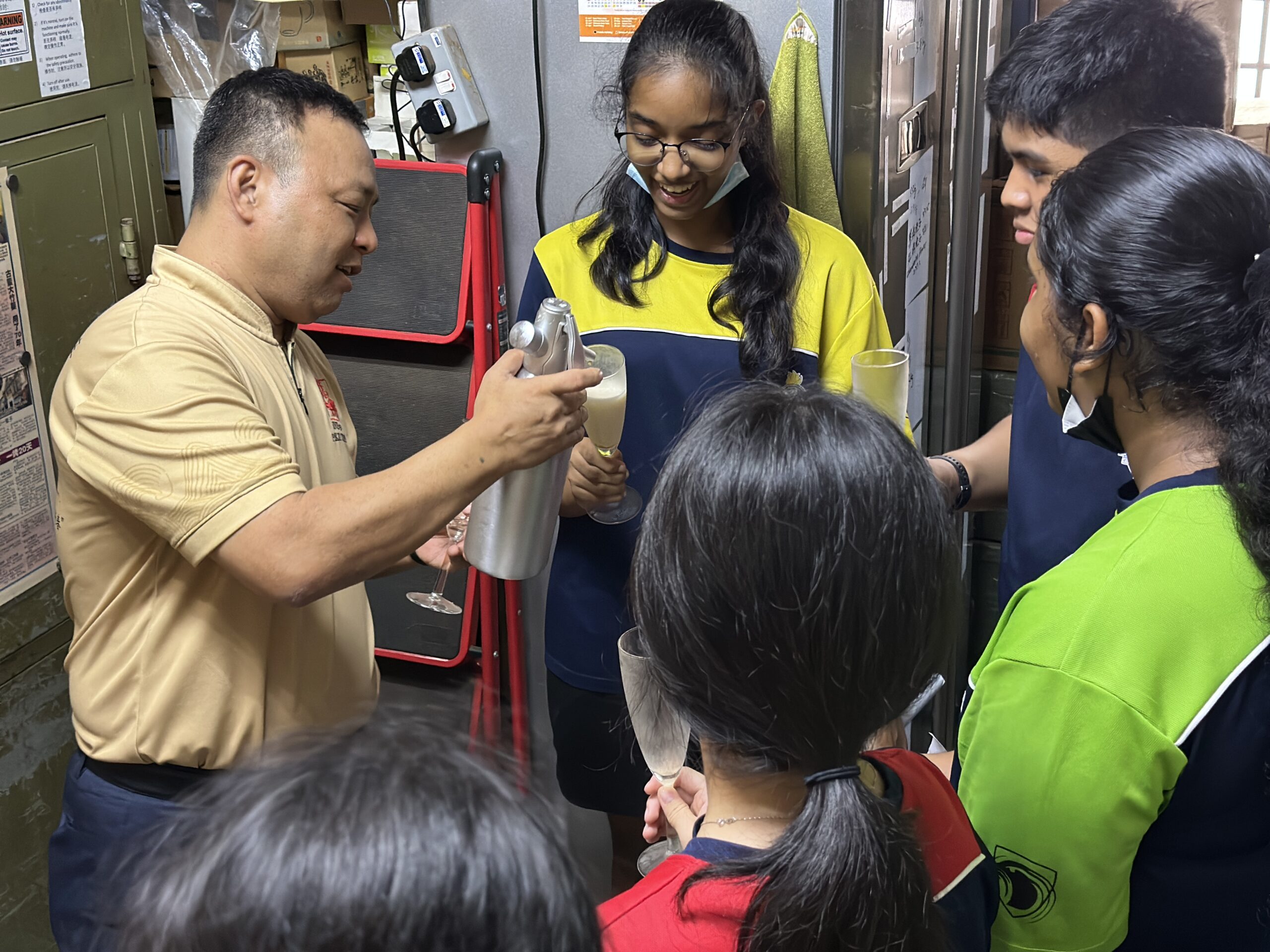
Preserving Cultural Practices with Pek Sin Choon
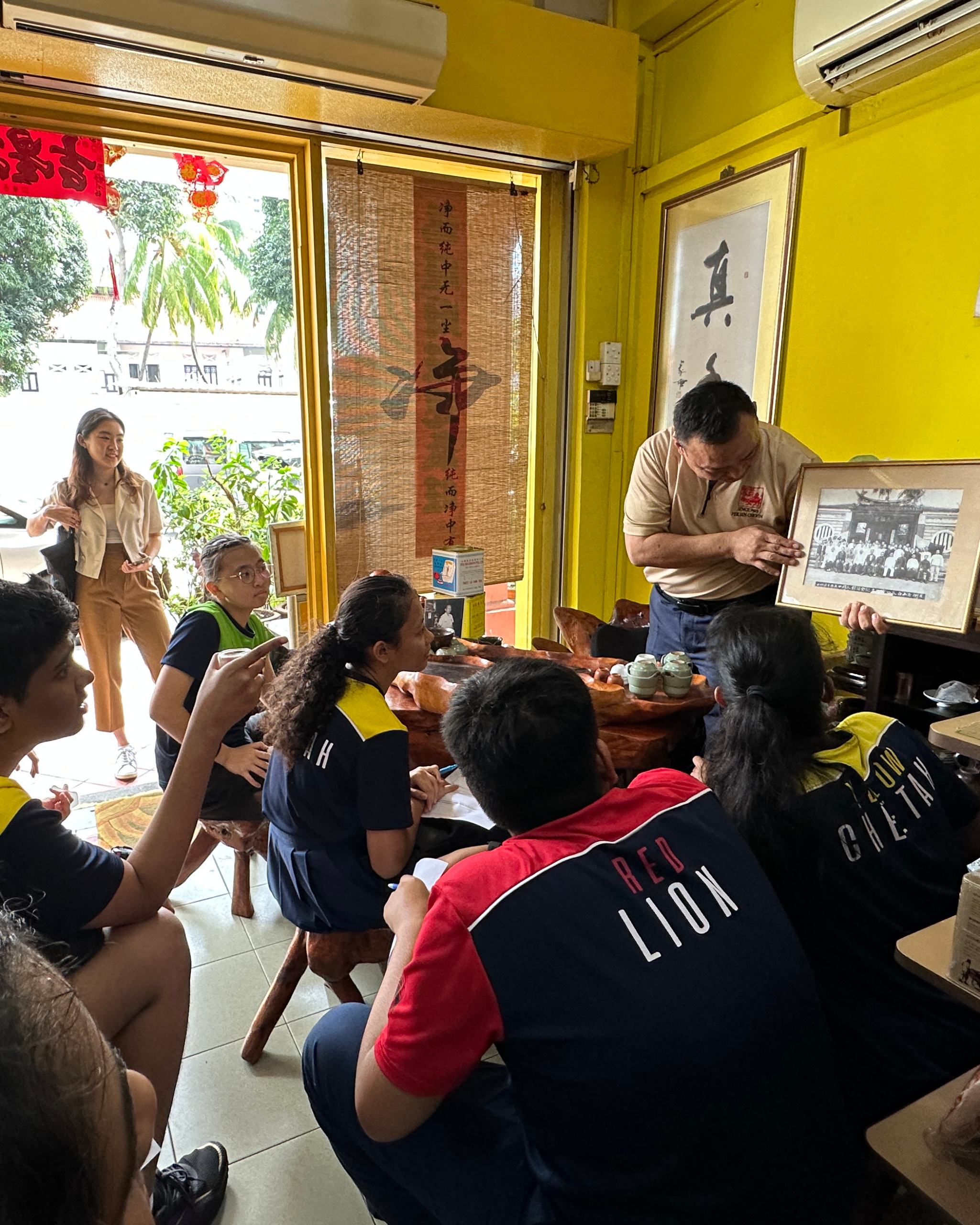
Students visited Pek Sin Choon, a renowned Chinese tea company, to learn about its rich heritage and traditional tea craftsmanship. The experience offered valuable insights into preserving cultural practices and the significance of quality and authenticity.
They brought this knowledge back to school, applying it to design thinking projects that explored innovative ways to celebrate tradition while connecting heritage with modern ideas and community engagement.
- 37 design thinking ideas
- 28 physical prototypes ideas
What Makes Us Different
Led by practising consultants and built on proven frameworks, our programmes are co-designed with educators and enriched by real-world partners, ensuring strong alignment with school priorities and competencies of today and tomorrow.
Industry-Proven Experts & Methodology
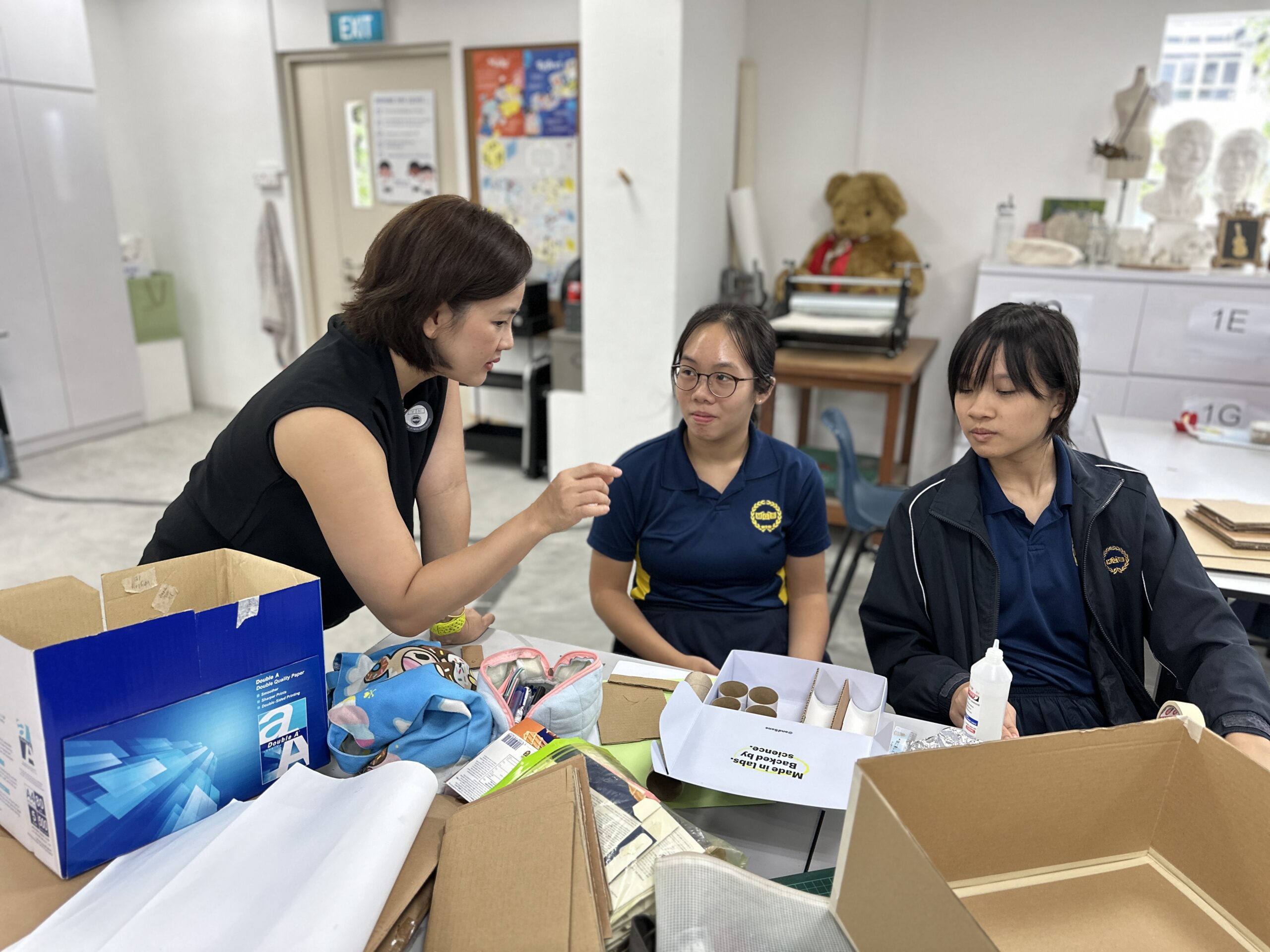
C-Academy is led by practising brand and design consultants who bring real industry rigour into education. Our programmes are grounded in Creativeans’ EDIT Design Thinking® and BrandBuilder® frameworks, refined through real projects since 2012 to help organisations solve complex challenges with clarity and creativity.

Co-Designed
with Educators
For Real Impact
We plan and facilitate workshops alongside teachers, aligning with school priorities, character and citizenship education, and 21st-century competencies. Every session is grounded in your context and leaves behind tools you can continue using after the programme ends.

Strong Network
of Partners
We collaborate with a strong network of partners from industry foundations to cultural and community organisations to enrich participants’ learning and connect design thinking directly to real-world applications. This ensures students engage with authentic perspectives and understand how design thinking creates value in real contexts.
Let Out Your Students’ Creativity
Ready to help your students celebrate and reimagine Singapore’s culture?